Bend Oregon Real Estate Micro Markets: West Side vs East Side
June 4, 2026
June 4, 2026
Wondering why one part of Bend feels like a different market from another just a few miles away? You are not imagining it. Bend works less like one citywide housing market and more like a set of distinct micro-markets, each shaped by price points, housing styles, access, and lifestyle tradeoffs. If you are buying or selling here, understanding those differences can help you make a smarter move. Let’s dive in.
Bend is divided by more than neighborhood names. The City of Bend recognizes 13 neighborhood districts, and major features like the Deschutes River, the BNSF railway, and US-97/Bend Parkway all shape how people move across town.
Those physical barriers matter because they affect daily convenience, commute patterns, and the feel of each area. They also help explain why a broad Bend headline rarely tells the full story for buyers and sellers.
As of April 2026, Bend had 1,485 homes for sale, a median listing price of $875,000, a median sold price of $665,000, and a median of 48 days on market. That citywide snapshot is useful, but it can blur important differences between the west side, east side, and outlying areas.
The City of Bend’s 2025 housing report adds another layer of context. Under its assumptions, the average Bend household’s maximum monthly housing cost was estimated at $2,220, which shows why neighborhood-level pricing can feel very different from the citywide average.
If you are searching for Bend’s clearest premium band, the west side stands out. In April 2026, median listing prices reached about $1.28 million in Aubrey Butte, $1.095 million in Summit West, $1.024 million in River West, $990,000 in Century West, $964,900 in Northwest Crossing, $886,000 in Southern Crossing, and $799,900 in Southwest Bend.
The city’s 2025 housing report shows a similar pattern in 2024 sales data. Awbrey Butte posted a median sale price of $1.349 million, Summit West $1.287 million, Century West $1.231 million, Southern Crossing $1.089 million, Old Bend $1.058 million, and River West $915,835.
Price per square foot is also typically higher on the west side. Current listing data places many west-side neighborhoods roughly between $444 and $654 per square foot, reinforcing that buyers often pay a premium for location, access, and lifestyle.
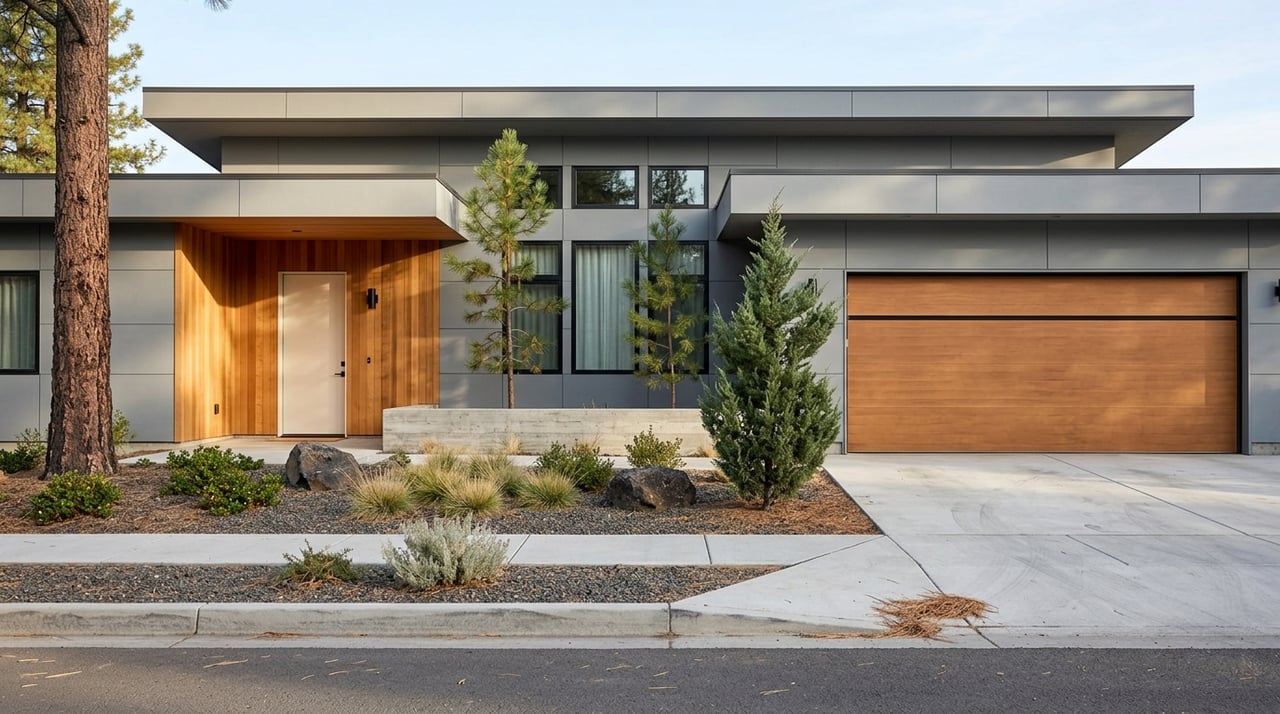
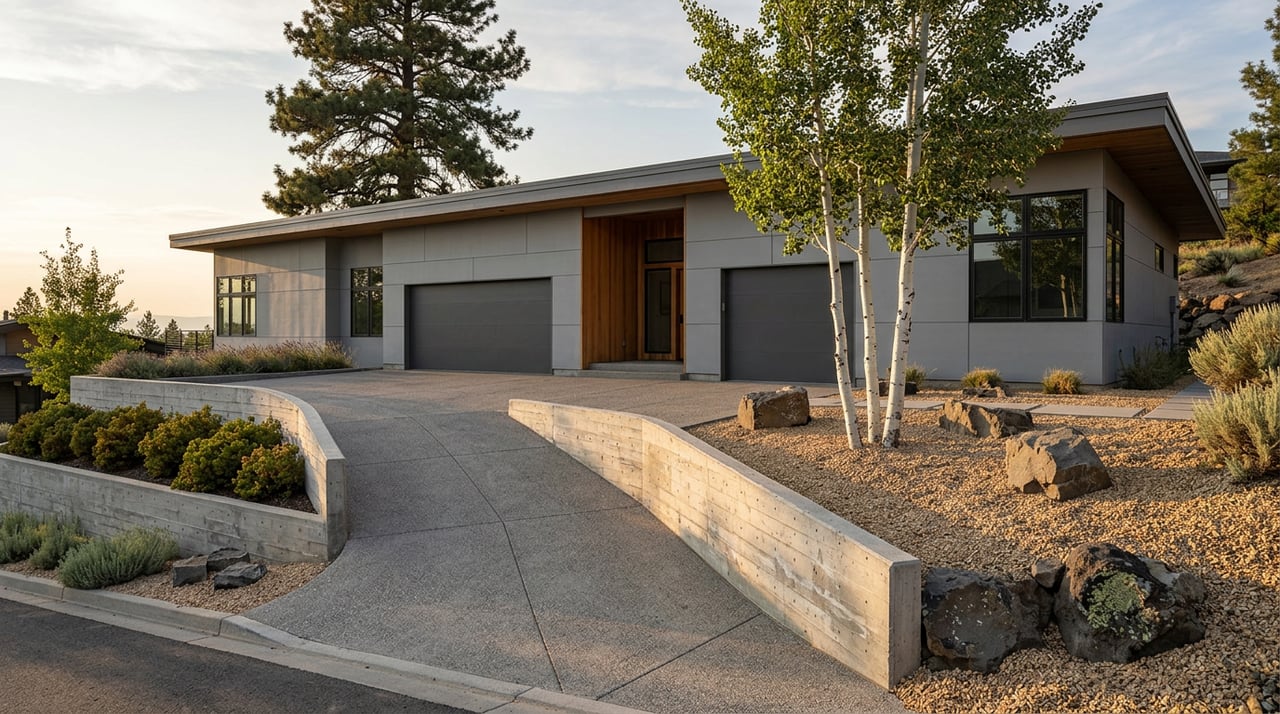
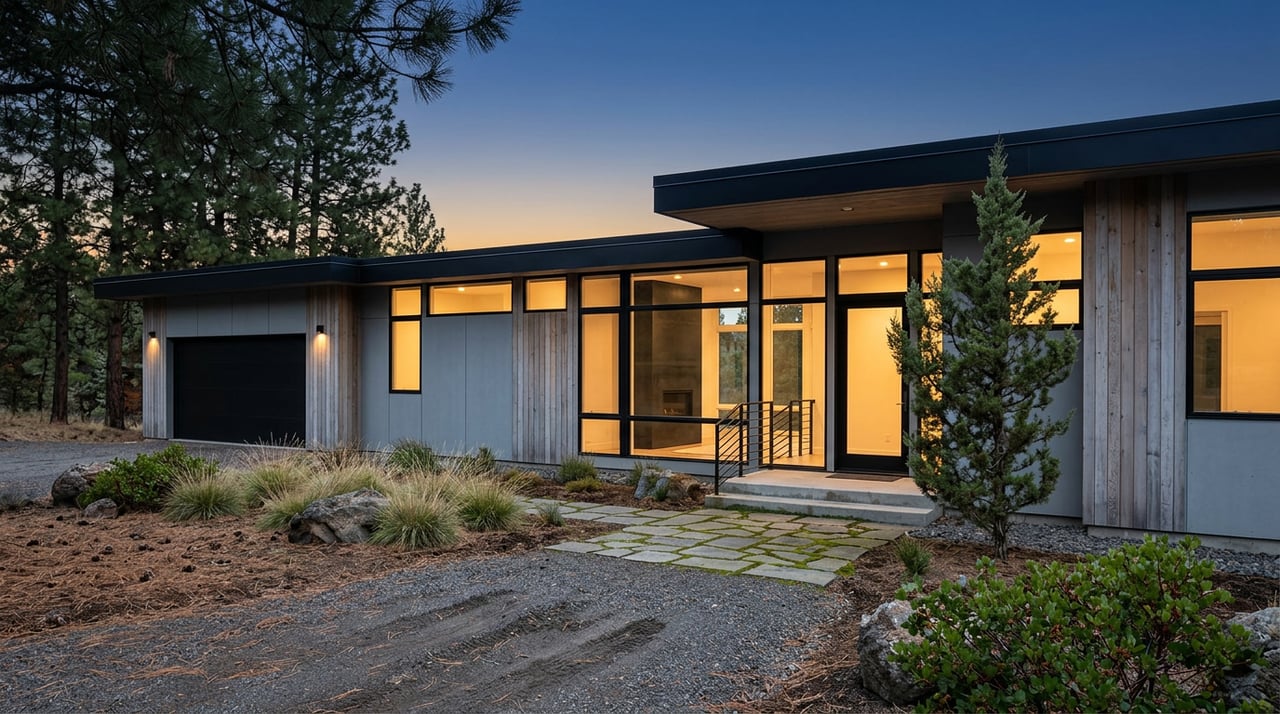
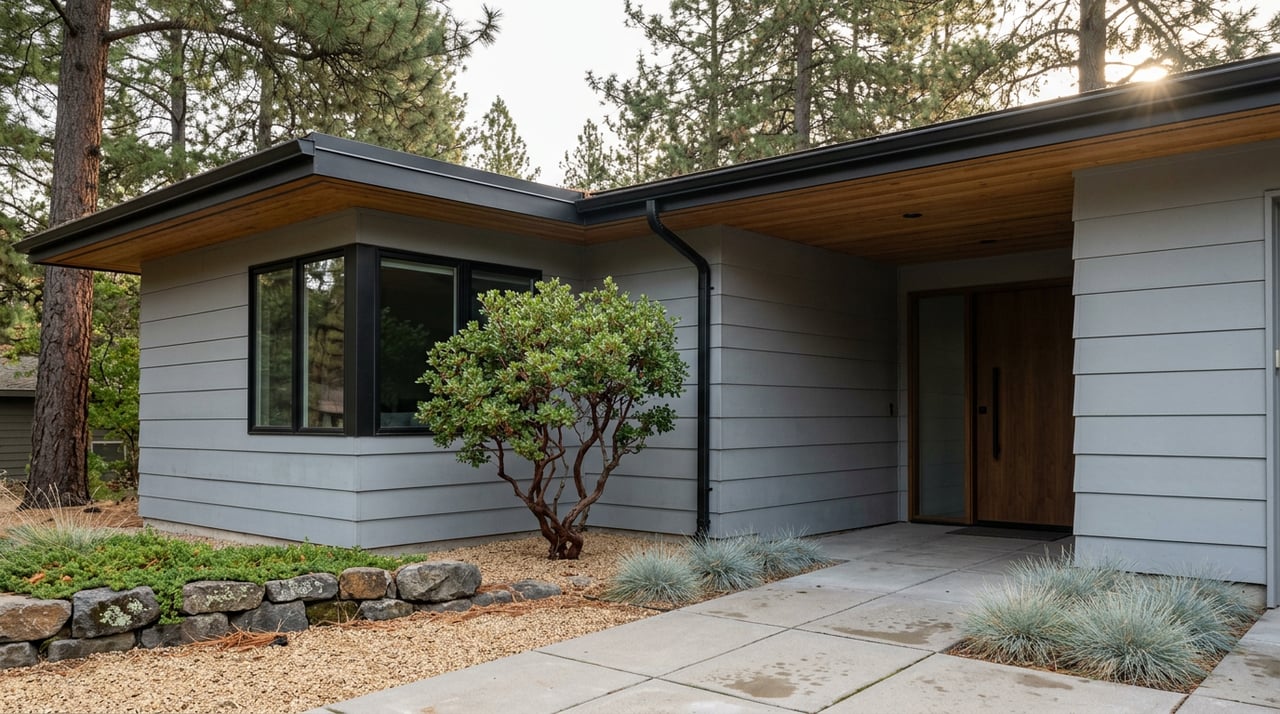
The west side offers a varied housing mix, but the common thread is lifestyle appeal. You will find a blend of contemporary homes, ranch-style properties, Craftsman designs, modern-traditional builds, older cottages, newer construction, and custom homes across areas like River West, Century West, and around the Old Mill area.
That range gives buyers options, but it also means pricing needs careful neighborhood-level context. A cottage in one pocket of the west side may compete very differently from a newer custom home just a short drive away.
The lifestyle draw is a major part of the west side story. The Old Mill District includes more than 55 restaurants and shops along the Deschutes River, while the Haul Road Trail links west-side Bend to the Deschutes National Forest boundary and Phil’s Trail.
Phil’s Trailhead, located 2.8 miles west of Bend, is described by the Forest Service as one of the most popular mountain biking trailheads in the Pacific Northwest. Add access toward Mt. Bachelor via SW Century Drive, and you can see why many buyers connect the west side with recreation and premium lifestyle value.
West-side inventory often stays relatively tight. In March 2026 neighborhood data, many west-side neighborhoods showed only 23 to 78 active listings, with days on market often landing between 32 and 46 days.
For sellers, that does not mean every home will automatically command a premium. It does mean presentation, pricing, and clear positioning matter. In this part of Bend, buyers often compare homes closely on design, condition, setting, and access to the lifestyle features that define the area.
If your top priorities are value and inventory, the east side deserves a close look. April 2026 neighborhood medians showed The Eastside at $629,900, Mountain View at $622,400, Boyd Acres at $604,000, Larkspur at $632,000, Old Farm District at $649,000, and Southeast Bend at $799,000.
The City of Bend’s 2025 housing report showed the same general trend in 2024 sales data. Mountain View came in at $553,263, Larkspur at $524,493, Boyd Acres at $627,268, Old Farm at $651,638, and Southeast Bend at $680,389.
That gap becomes even clearer on a price-per-square-foot basis. East-side neighborhoods generally fell in the $317 to $364 range, noticeably below many west-side areas.
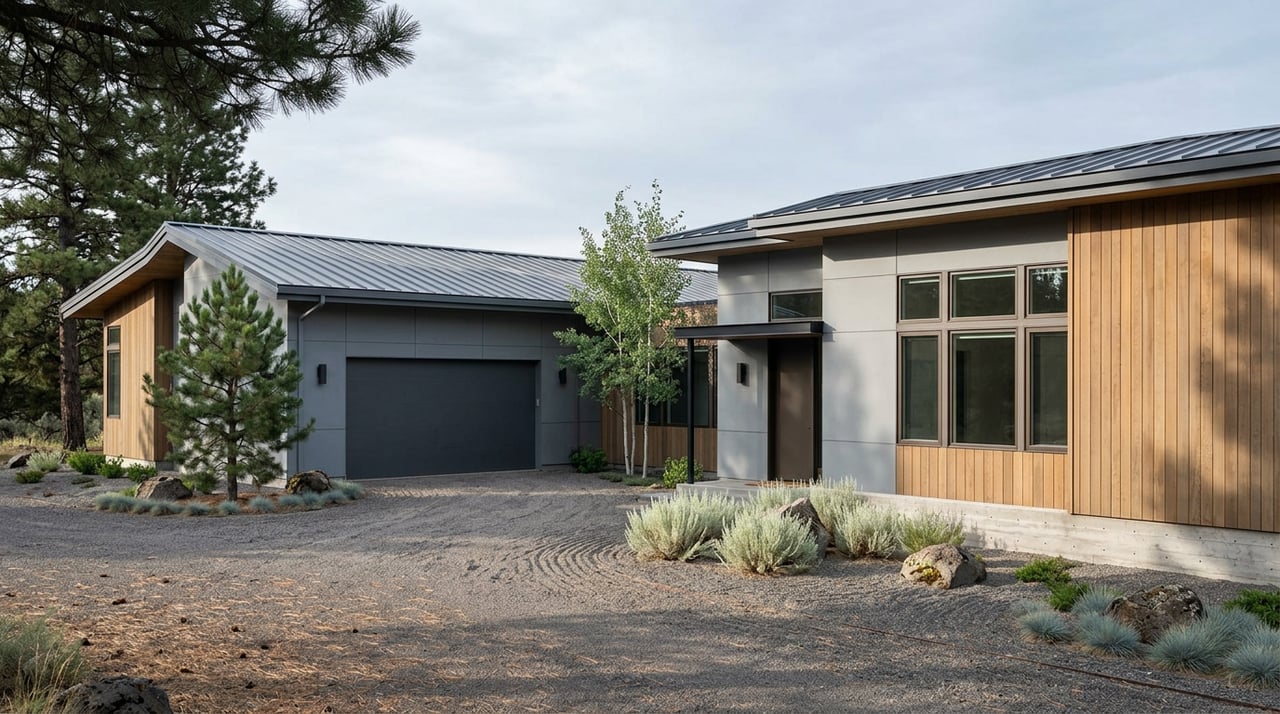
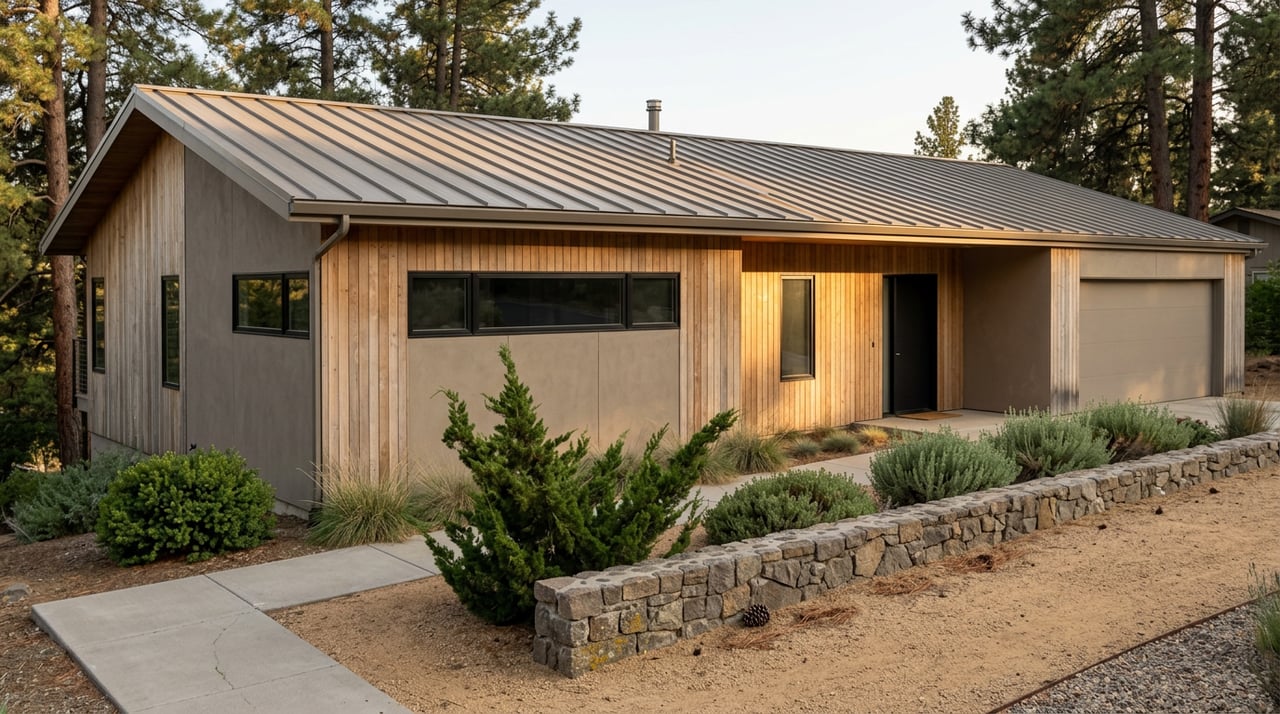
On the east side, housing stock tends to lean more toward subdivision-style development. In areas like Mountain View and Southeast Bend, you will often see late-20th-century ranch homes, modern Craftsman styles, and newer traditional homes, including subdivisions built in the 2010s and 2020s.
For many buyers, that means more predictable floor plans, newer pockets of inventory, and a wider range of practical options. For sellers, it means your home may be compared against a broader pool of similar properties, so value positioning becomes especially important.
The east side has a different rhythm from the west side. City transportation and land-use documents note that the Deschutes River, the railroad, and Highway 97 create major east-west barriers, and the city is working to improve those crossings.
A city retail analysis for southeast Bend also describes the area as access-constrained, with only a limited number of north-south and east-west access points. That helps explain why errands and convenience retail often cluster near arterial roads.
The city’s Southeast Area Plan was adopted to support a complete community with homes, parks, schools, open space, infrastructure, and future annexation on the southeast edge of Bend. For buyers watching long-term growth, that makes southeast Bend especially worth following.
The east side generally offers more inventory than the west side. April 2026 figures showed 263 active listings in The Eastside, along with 94 in Boyd Acres, 91 in Mountain View, and 79 in Old Farm District.
More choice can create opportunity for buyers, but it does not always mean slow movement. Orchard District, for example, posted 22 days on market in March 2026 neighborhood data, showing that well-positioned east-side homes can still move quickly.
For sellers, this means strategy should focus on value, convenience, and condition. For buyers, it means the east side can offer a broader menu of price points and housing types without leaving Bend proper.
Some of the most important choices in the Bend area sit outside the core west-versus-east conversation. Edge-growth areas, Tumalo, and Sunriver each behave differently and attract buyers for different reasons.
If you are open to looking beyond the established in-town neighborhoods, this is where tradeoffs become especially important. You may gain land, recreation access, or a distinct ownership experience, but the market dynamics can look very different.
Bend’s future housing supply is expected to come in large part from edge areas, not just older established neighborhoods. The city’s growth plan includes ten expansion areas and nine opportunity areas.
The Southeast Area Plan covers the southeast Elbow expansion area, with about 479 acres total and 446 developable acres planned as a complete community. The Stevens Road Tract Concept Plan is another example of a framework guiding future east-side neighborhood growth.
For buyers, these areas may represent newer inventory and long-range potential. For sellers and owners, they are a reminder that future supply can influence competition over time.
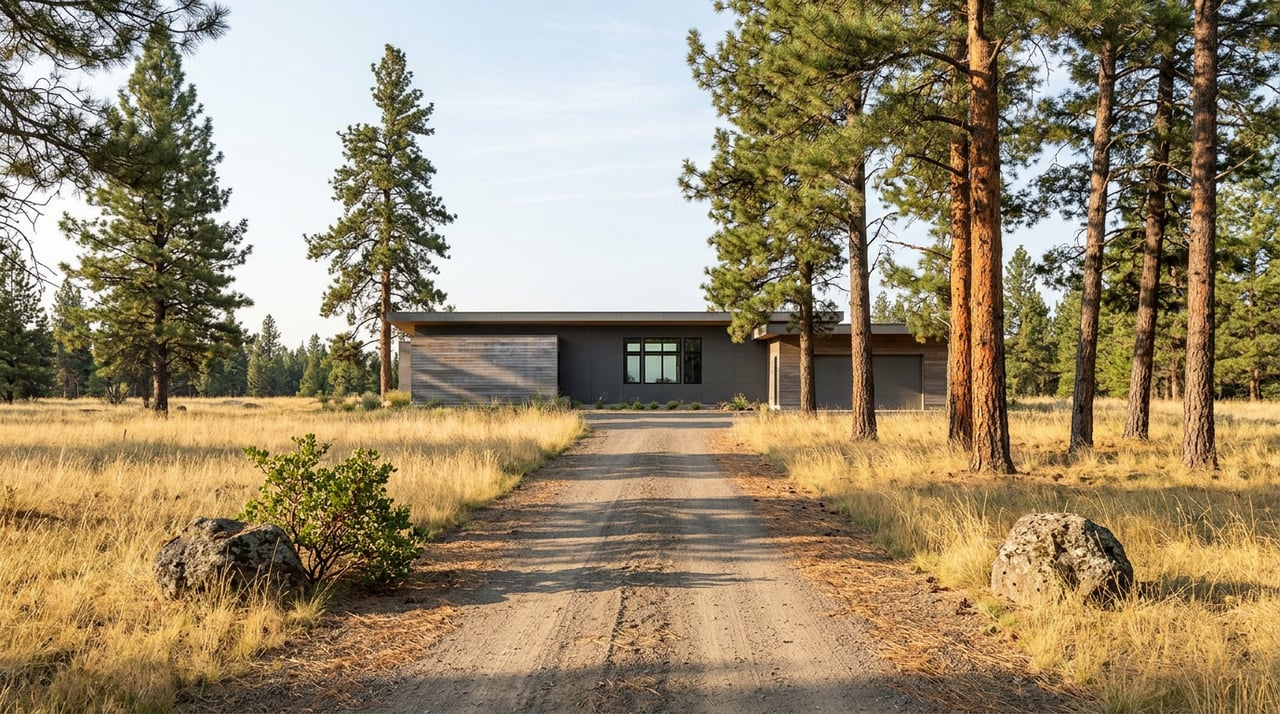
Tumalo offers one of the clearest contrasts to Bend’s in-town neighborhoods. Deschutes County describes it as a small rural community about three miles northwest of Bend, where single-family residences are the predominant land use and the overall vision is rural and small-town in character.
The Deschutes River and U.S. 20 bisect the community, which shapes how the area functions. Tumalo State Park, about one mile away, adds camping, picnicking, fishing, hiking, and wildlife viewing to the area’s outdoor appeal.
From a market perspective, Tumalo is much thinner than Bend. Realtor.com’s December 2025 data showed only 5 homes for sale and no stable neighborhood median price, which is typical for an acreage market with limited comparable sales.
Sunriver behaves less like a Bend neighborhood and more like its own resort and second-home market. The Sunriver Owners Association describes it as a planned residential and resort community with about 4,177 home sites, 34 miles of paved pathways, community amenities, and a mix of permanent residents, second-home owners, and rental owners.
The Sunriver Chamber notes that it sits about 15 miles south of Bend and includes 5 miles of Deschutes River frontage, along with shopping and recreation infrastructure. In April 2026, Sunriver had 168 homes for sale, a median listing price of $789,000, a median of 61 days on market, and a 99% sale-to-list ratio.
That data points to a market that often follows different patterns from Bend’s west-side and east-side neighborhoods. If you are considering Sunriver, it helps to evaluate it on its own terms rather than trying to compare it directly to in-town Bend.
The simplest way to think about Bend is this: west side means premium lifestyle and recreation access, east side means more attainable pricing and more subdivision-oriented housing, and beyond the core means a mix of acreage, resort, or edge-growth tradeoffs.
Your best fit depends on what matters most to you. If you want close access to west-side amenities and recreation, your budget and expectations will likely look different than if you are focused on value, newer subdivisions, or future-growth areas on the east side.
If you are selling, the same logic applies. A west-side home often needs premium presentation and precise pricing, an east-side home often competes more directly on value and convenience, and outlying properties need a strategy tailored to acreage, resort, or community-specific factors.
That is why hyper-local guidance matters in Bend. Looking at the city as one market can cause you to miss the details that shape timing, pricing, and demand in the neighborhood you actually care about.
If you want help narrowing your options or positioning your home for the right buyers, The Vandenborn Group can help you make sense of Bend’s micro-markets with clear guidance and a local, relationship-first approach.
We pride ourselves in providing personalized solutions that bring our clients closer to their dream properties and enhance their long-term wealth. Contact us today to find out how we can be of assistance to you!