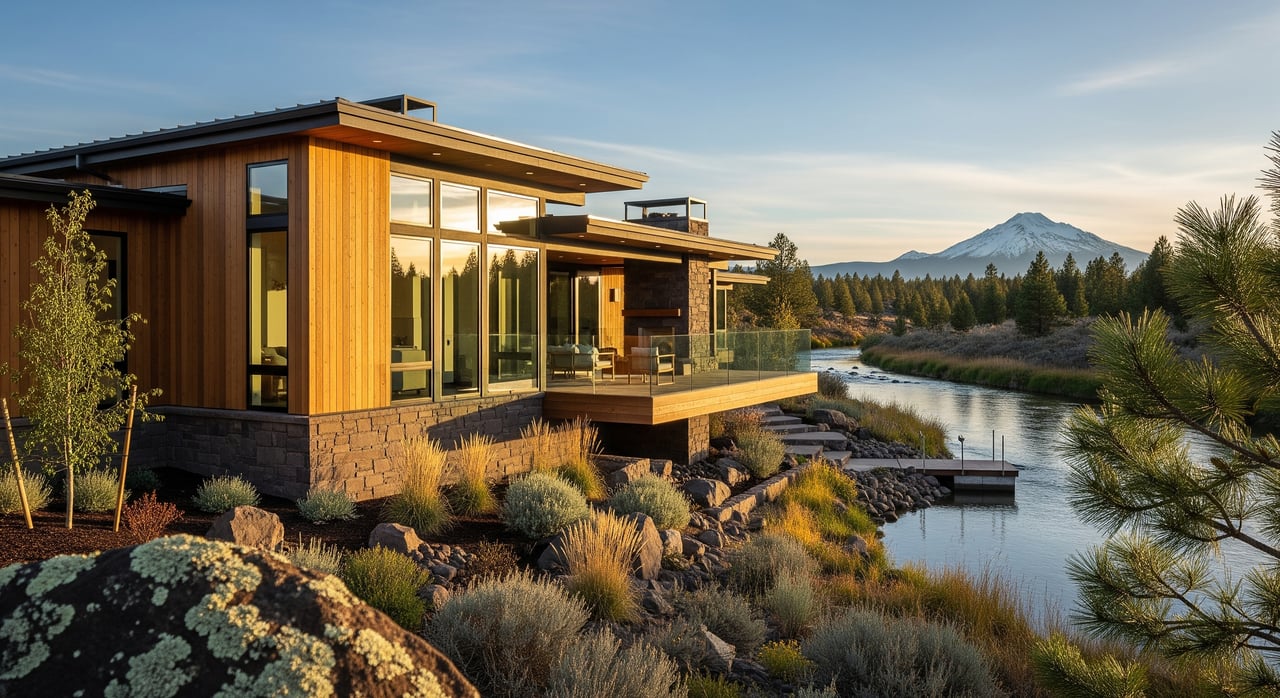
Relocating to Tumalo Oregon: A Practical Guide
January 15, 2026
January 15, 2026
Thinking about trading city noise for open skies and elbow room near Bend? If you are eyeing Tumalo for acreage, privacy, and easy access to outdoor fun, you are not alone. Moving to a rural area can feel complex, especially when wells, septics, private roads, and wildfire planning enter the conversation. This practical guide gives you the local intel you need to choose the right property with confidence and plan a smooth relocation. Let’s dive in.
Tumalo sits just northwest of Bend in Deschutes County. It is unincorporated, low density, and known for small-acreage living. Many residents head into Bend for work, shopping, and healthcare, which keeps daily life convenient while preserving a quieter home base.
You get quick access to the Deschutes River corridor, Tumalo Falls, and the Cascades. Hiking, biking, fishing, and skiing shape the local lifestyle. If you want room for hobbies like gardening, small livestock, or horses, Tumalo often fits the bill.
Expect a semi-arid, high-desert climate. Summers are warm and dry, and winters are cold with periodic snow. Sun exposure is strong year-round, so plan for shade, irrigation, and winter-ready vehicles.
Properties in and around Tumalo fall under county rules, not city ordinances. Parcels can be zoned rural residential, forest use, or Exclusive Farm Use. Minimum lot sizes, what you can build, and home business rules depend on the exact zoning. Before you get attached to a property, confirm the zoning with Deschutes County and speak with a county planner about what is allowed.
Agricultural parcels can carry restrictions on subdivision or non-farm uses. Water rights can be separate from domestic well rights. Always verify what comes with the land versus what is a separate allocation.
Small acreage in the 1 to 5 acre range is common and works well for hobby farms or equestrian uses. Larger parcels of 10 acres or more are available but come with more work. Think weeds, fencing, road upkeep, and livestock care. Check if the land has timber harvest history, conservation easements, or special farm or forest tax programs that affect how you can use it and what you pay in taxes.
Many rural homes rely on private wells for domestic water. Irrigated acreage may receive water through a local irrigation district. Ask for documentation on irrigation rights and confirm whether those rights transfer with the land. For wells, request well logs and any pump test data, especially on older systems. If you plan to drill a new well, permits and reporting go through the state.
Some addresses use private or gated roads. These often have maintenance agreements or HOA rules. Ask who pays for grading, snow plowing, and liability. If a lot is undeveloped, find out what it cost the previous owner to bring in power and whether more work is needed to make your future driveway or approach safe in winter.
Public water and sewer are limited outside Bend. Most Tumalo properties rely on a private well and a septic system. Septic systems must meet county environmental health standards, and the drain field location can affect where you add structures later. Review permits, percolation test results, as-builts, and maintenance records. Plan ahead for routine pumping and system inspections.
Electric service may come from an investor-owned utility or a co-op, depending on the address. Natural gas is not always available. Many homes use propane, electric, wood, or wood-pellet heat. If a lot is vacant, get written estimates from the utility for line extensions and any transformers you may need.
Service varies by parcel. Some addresses have cable or DSL, while others use fixed wireless or satellite. Confirm serviceability, expected speeds, and data caps at the exact address before you buy. If you work from home, check upload speeds and latency as well as download speed.
Regular curbside trash pickup may not be available everywhere. Some homes use private haulers or visit transfer sites. Mailing addresses may route through Bend or Tumalo. Law enforcement is provided by the Deschutes County Sheriff’s Office. Fire protection comes from local fire districts. Confirm the fire and EMS provider for the property and ask about staffing and response patterns.
Most residents travel to Bend for work, shopping, and healthcare. Drive times depend on your exact location, the route you use, and the season. Tumalo Road is a common connector. Give yourself extra time during winter weather or when road work is active.
Snow and ice can affect travel during winter and early spring. Some neighborhood roads are unpaved or privately maintained. Ask about snow removal responsibility and typical conditions. Test any steep driveways or long access roads in snowy months if possible.
Public transit is limited compared with larger cities. Regional service exists through a central Oregon provider, but rural routes may be minimal or reservation-based. Most households rely on private vehicles.
Expect hot, dry summers and cold winters. Plan for irrigation in summer and snow removal in winter. Dust control on unpaved roads can be part of your seasonal routine, along with fall cleanup to prepare for fire season.
Central Oregon has wildfire risk and seasonal smoke. Insurers may require defensible space or specific construction features, such as ember-resistant vents. Check risk maps and speak with the local fire district about mitigation steps for your property. Budget for vegetation management in spring and fall.
Addresses near rivers or creeks can face flood risk or high spring groundwater. Review flood maps and county hazard overlays, and ask your inspector about seasonality. If you plan to add structures, verify siting requirements and setbacks.
Use this checklist to request records and schedule inspections before you close.
Documents and disclosures
Inspections and evaluations
Operational questions
Work with a local agent who knows Tumalo acreage and county rules. Ask for complete listing packets that include maps, surveys, septic and well records, and disclosures. Request drone footage, boundary overlays, and videos that show approach roads, orientation, sun angles, and utility locations.
Cluster showings by area to reduce driving. Drive every approach you might use, and test steep sections. Walk property boundaries where allowed to check fence lines and vegetation. If you plan for livestock, inspect corrals, barns, water delivery, and shelter.
Use contingencies that give you enough time for septic, well, and survey work. Consider extended windows for pump tests and any lab results. Set milestones and remedies if the seller cannot verify well or septic function.
Tumalo has a local elementary option. Middle and high school assignments are typically within the Bend-La Pine School District. Always verify school boundaries and transportation directly with the district for the exact address.
Primary and emergency healthcare centers are based in Bend. Plan your route and expected drive times to the nearest hospital and urgent care. For day-to-day living, full-service groceries and most retail are in Bend, while Tumalo offers select small businesses and seasonal services.
If you keep horses or livestock, confirm the availability of large-animal veterinarians, feed suppliers, farriers, and haul-in facilities before you buy.
Wildfire exposure can affect your homeowner’s insurance options and premiums. Get quotes early and ask about required mitigation. Some carriers want proof of defensible space and specific construction details.
Deschutes County assesses property taxes. If a parcel is enrolled in a farm or forest tax program, learn the qualifying rules and whether any rollback penalties apply if you change the use.
Financing for rural properties can be different from in-town homes. Lenders may treat large non-developable acreage or access challenges as risk factors. Conventional, portfolio, FHA, or USDA loans may be options depending on the property and your goals. Choose a lender experienced with rural Oregon acreage.
If you value space, privacy, and outdoor access with a manageable drive to Bend, Tumalo is worth a close look. Success comes from address-specific verification and a local team that knows wells, septics, water rights, access, and wildfire planning. With the right prep, you can secure the land and lifestyle you want without unhappy surprises after closing.
Ready to take the next step or preview handpicked Tumalo properties that match your priorities? Reach out to the local experts at The Vandenborn Group for a friendly, no-pressure consultation.
We pride ourselves in providing personalized solutions that bring our clients closer to their dream properties and enhance their long-term wealth. Contact us today to find out how we can be of assistance to you!