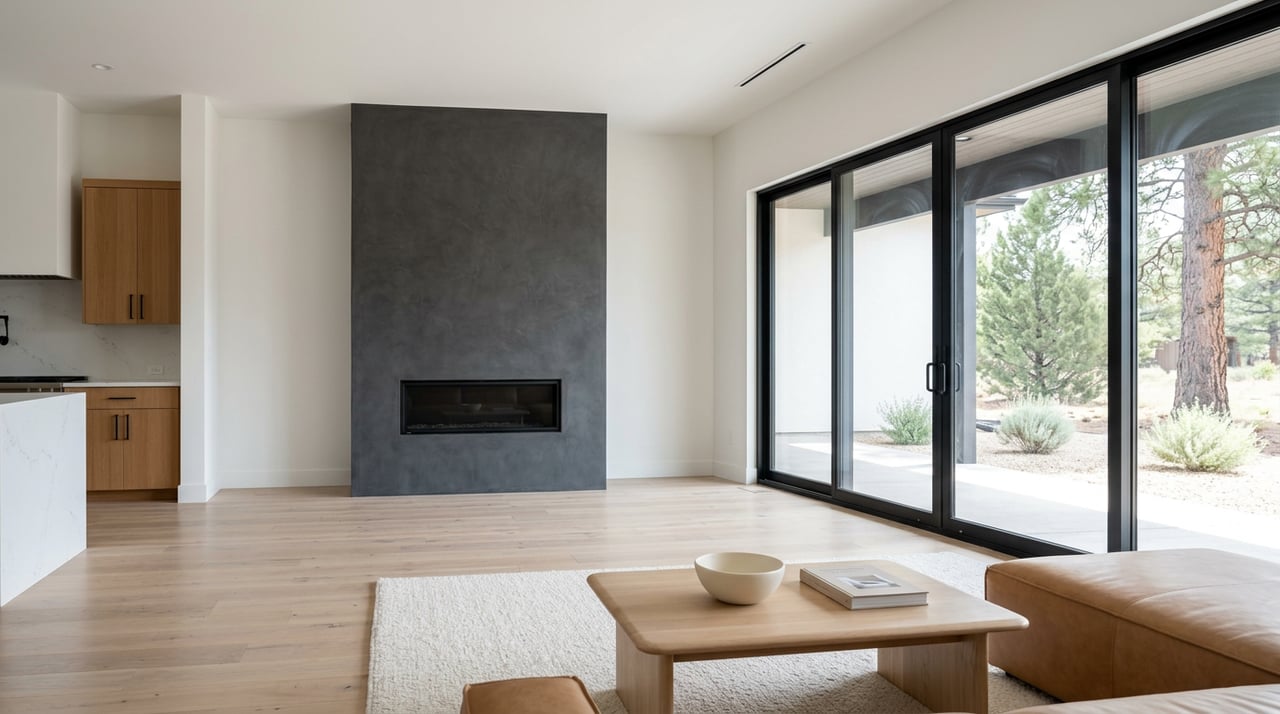
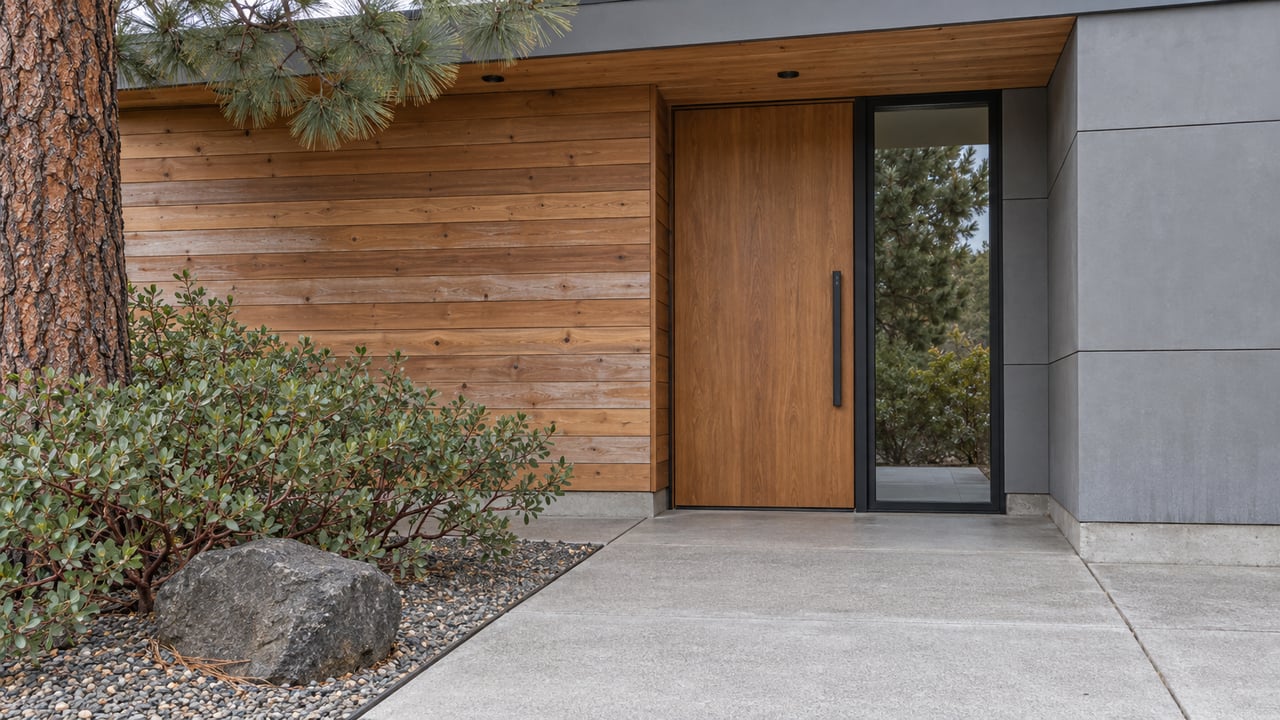
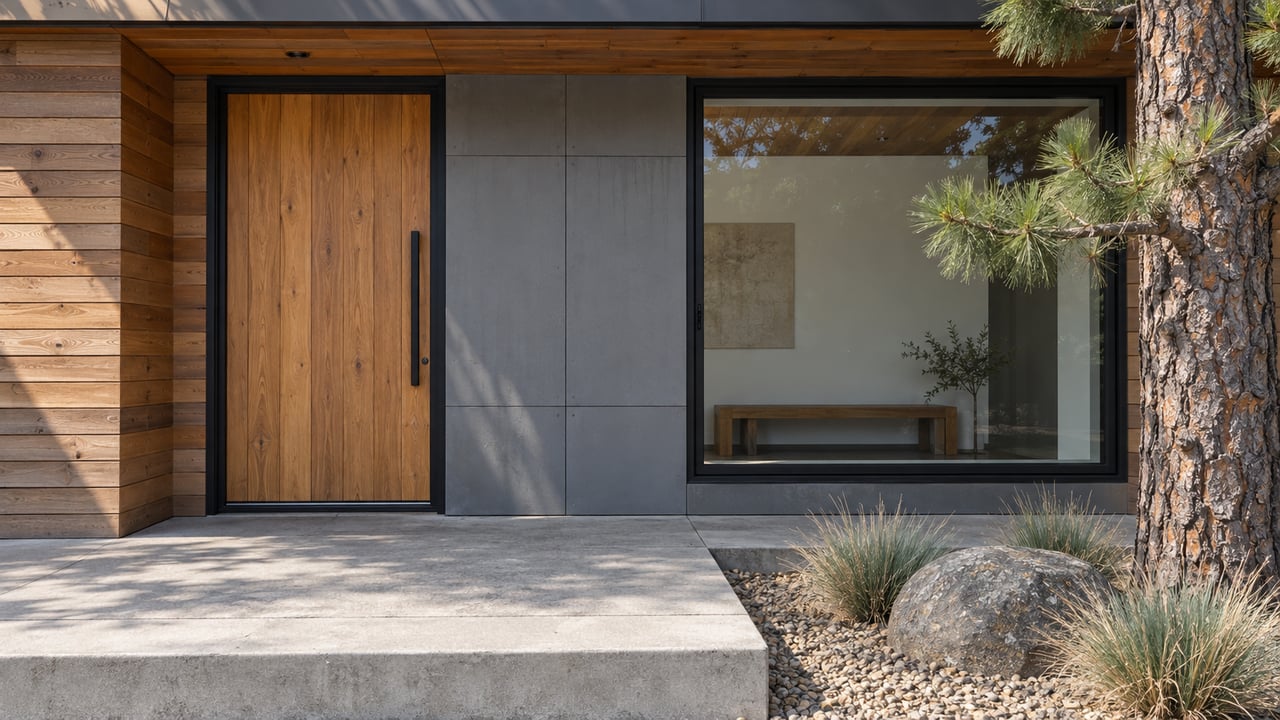
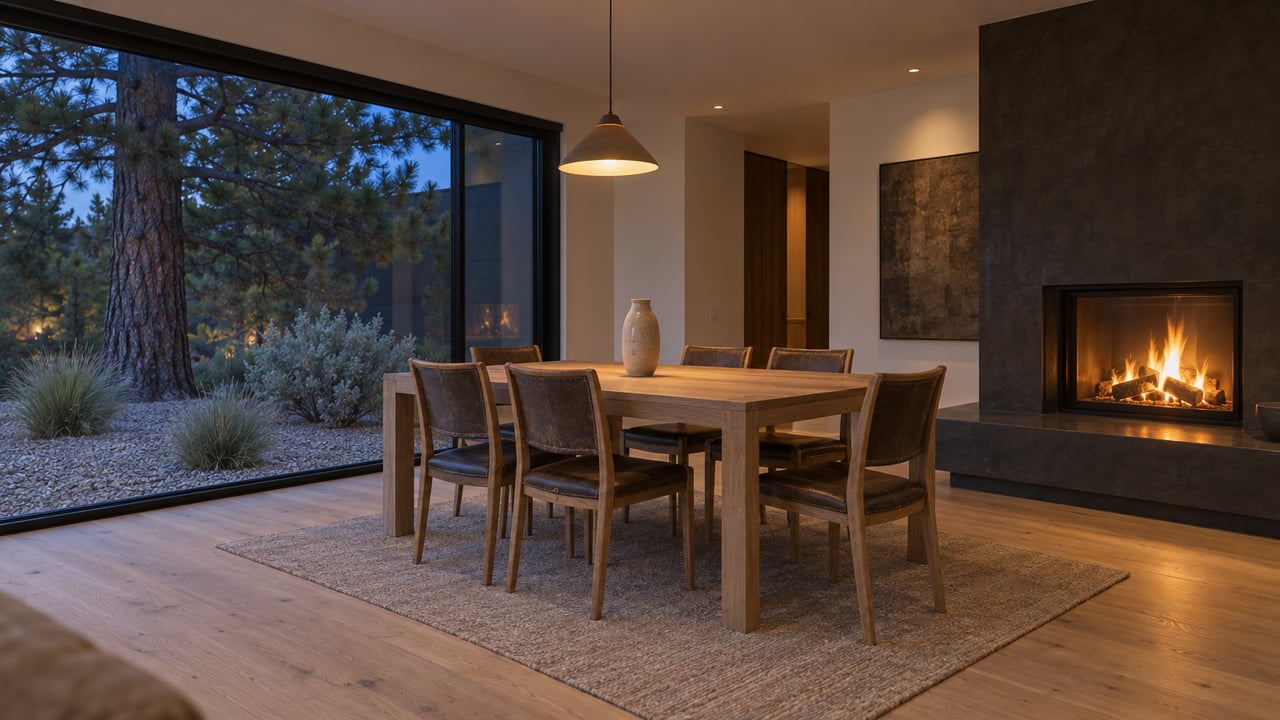
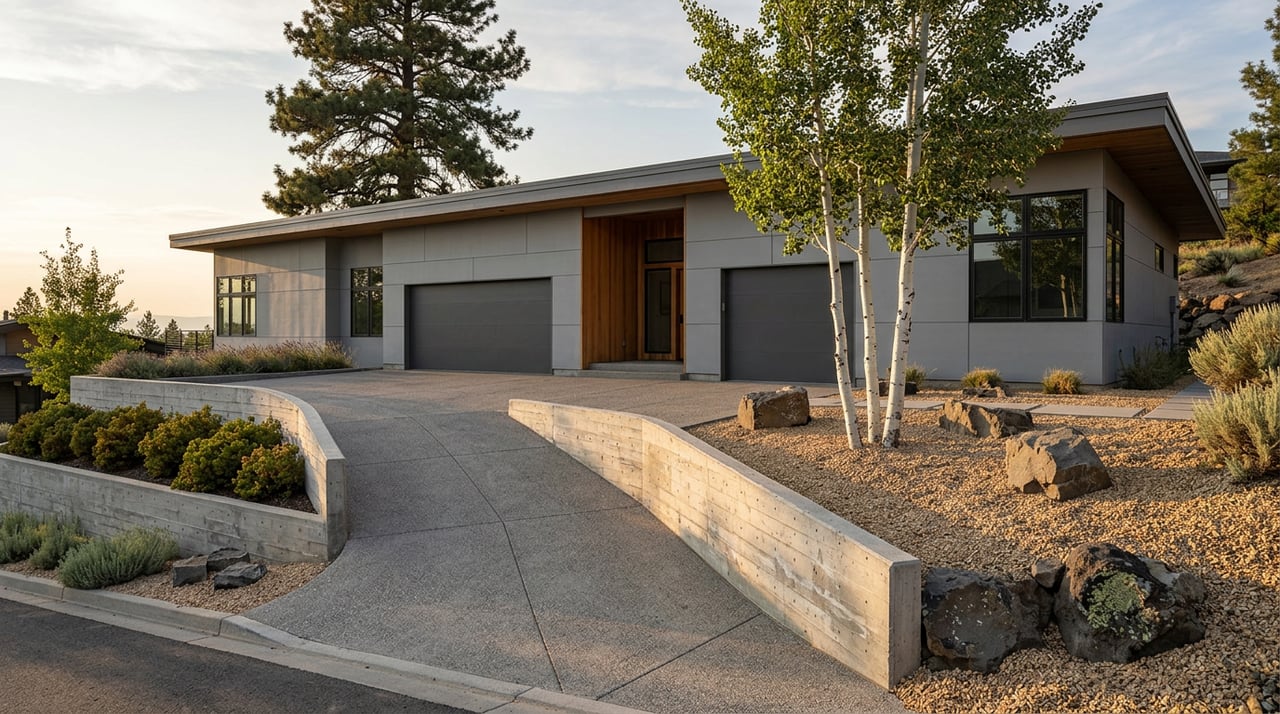
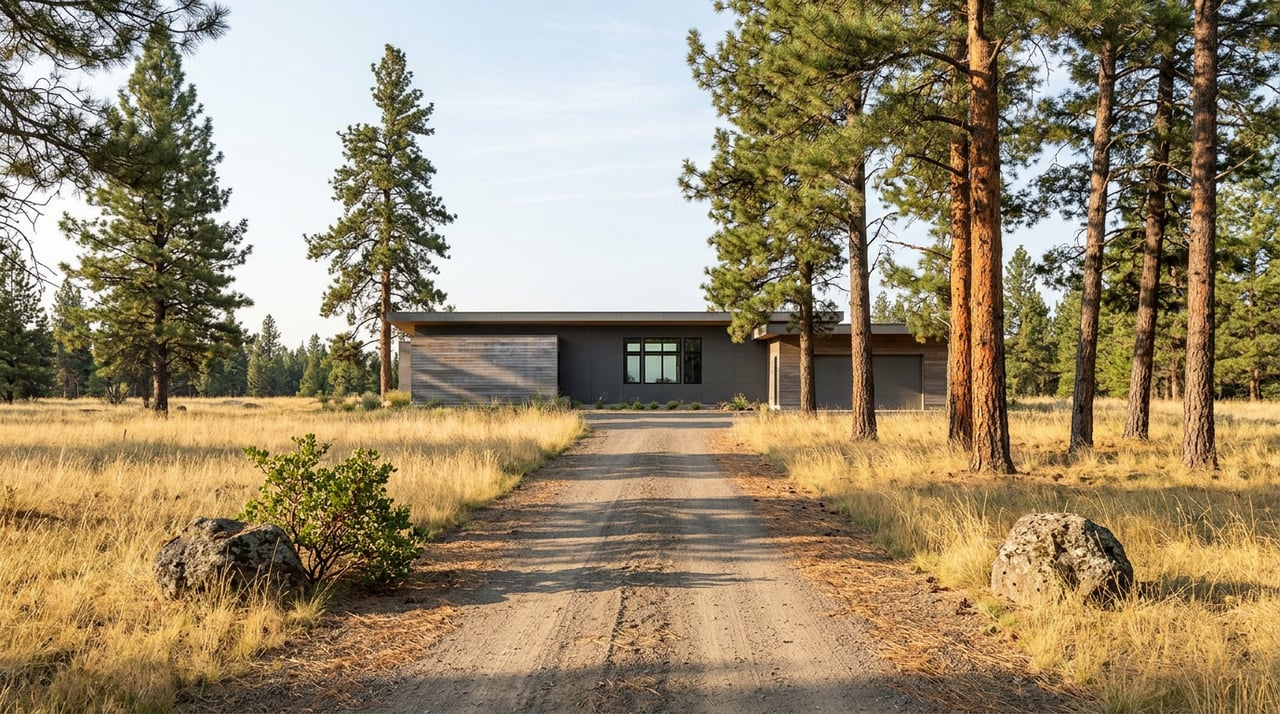
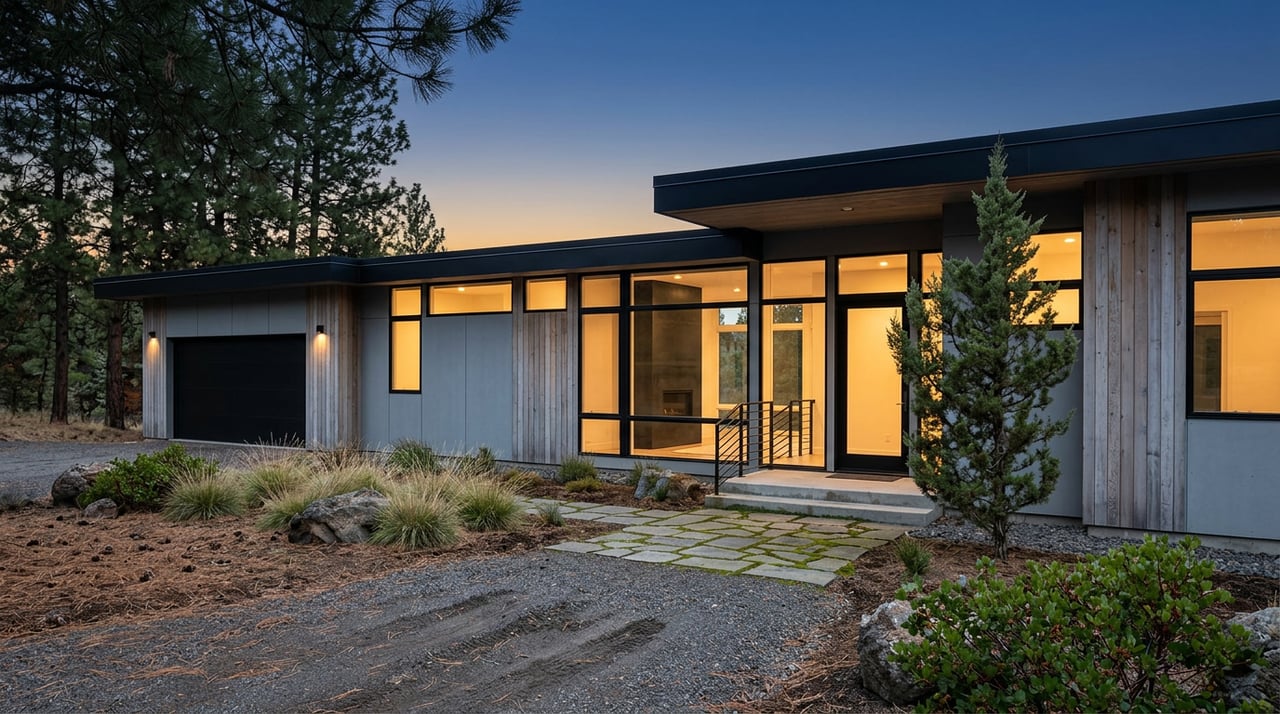
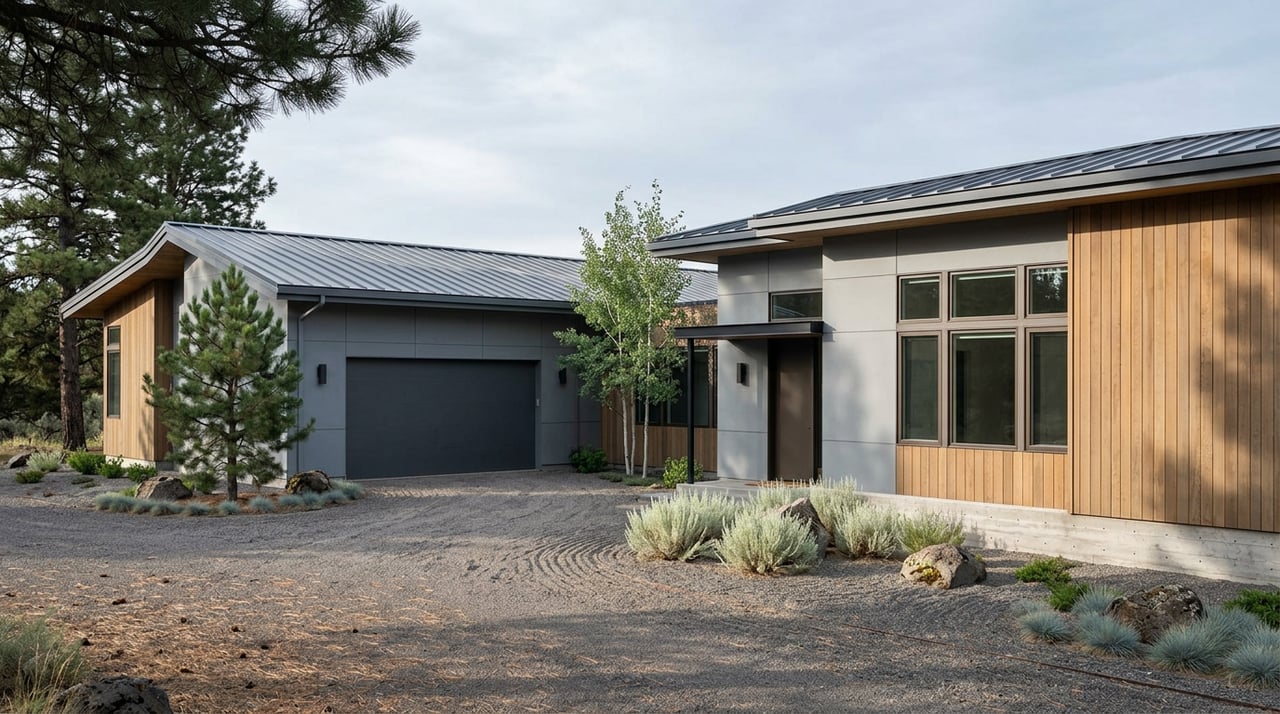
Looking for a Bend-area second home that can also pull its weight as a rental? Pronghorn, known today as Juniper Preserve, blends luxury resort living with potential short-term rental options in select sub-neighborhoods. If you want golf, spa days, and a true retreat experience within reach of Bend and RDM airport, this community belongs on your shortlist. In this guide, you’ll learn what Pronghorn offers, how short-term rental rules work in 97701, what costs to model, and where to dig deeper before you buy. Let’s dive in.
Why buyers choose Pronghorn
Pronghorn is a high-desert resort community with two championship golf courses, full-service spa and fitness, on-site lodging, pools, family amenities, and multiple dining options. These features support strong guest demand and premium nightly rates when compared with typical neighborhoods. You can review the full resort experience on the official Juniper Preserve site for a sense of lifestyle and amenities.
Location matters too. The resort’s hub is in Bend’s 97701, with a commonly cited drive of roughly 20 to 30 minutes to downtown depending on route and traffic. Many buyers like the balance of a serene setting that still keeps city dining and shopping in reach, plus the convenience of Redmond’s RDM airport for quick getaways.
Property types and rental potential
Pronghorn offers a range of home types that fit different ownership goals:
- Four Peaks homesites and homes were marketed with the note that they can be used as nightly or short-term rentals. Permission is not universal though, so you must verify each property’s rules.
- The Estates typically feature larger, custom lots for primary or second-home living. Some sub-associations restrict short-term rentals.
- Villas provide a more lock-and-leave footprint that can work well for part-time use.
- The Residence Club offers fully or partially owned, furnished townhomes with resort services that reduce hands-on management for owners.
The key is that short-term rental permissions vary by sub-association at Pronghorn. The developer’s real estate page describes the product mix and notes where nightly rentals may be allowed, but you need to confirm the recorded CC&Rs for the specific lot or unit before you underwrite any rental income.
Short-term rental rules in 97701
Short-term rental feasibility at Pronghorn depends on three layers: HOA rules, municipal boundaries, and state or local lodging taxes.
- HOA rules come first. Even if a home is in a rental-friendly zone, your CC&Rs may prohibit short-term rentals. Always obtain the recorded CC&Rs and any amendments for the exact property you are considering.
- State of Oregon lodging tax is 1.5 percent on stays under 30 days. Owners must ensure registration and remittance, even when platforms collect on your behalf.
- If your parcel is in unincorporated Deschutes County, the county imposes an 8 percent transient lodging tax and requires you to register for a Certificate of Authority before operating a vacation rental.
- If your parcel is inside the City of Bend, you will need a short-term rental land-use permit and an operating license. Whole-house permits in many zones are subject to a 500-foot separation rule, which commonly limits new permits. The city also applies a local room tax.
What this means for you: two similar Pronghorn-area homes can have very different rental outcomes. A home in unincorporated county land typically sees combined state and county lodging taxes of about 9.5 percent collected from guests. A home inside Bend faces the city’s land-use and licensing steps, spacing rules in many zones, and the city’s local lodging tax. Confirm the parcel boundary and permitting path before you bank on nightly rental income.
- Learn about Oregon’s 1.5 percent transient lodging tax on the Oregon Department of Revenue site.
- Review Deschutes County’s 8 percent transient lodging tax and registration requirements.
- Check the City of Bend’s short-term rental permits, spacing standards, and operating license details.
Costs to model before you buy
Beyond purchase price and financing, build a full ownership budget so you understand net yield and lifestyle value.
- HOA dues and assessments. Example listings around Pronghorn show monthly HOA assessments near 250 to 280 dollars in some Estates and homesite sub-areas. Get the current dues schedule, reserve study, and any special assessment history from the HOA.
- Property taxes. One representative listing showed annual taxes of about 2,300 dollars. Verify taxes by parcel with the county assessor.
- Club membership. Golf and club access can include a significant initiation deposit and ongoing dues. Some listings reference transferable memberships with stated values. Confirm initiation, transfer rules, and annual dues directly with the club before you rely on any listing note.
- Insurance, utilities, and maintenance. Luxury resort homes often carry higher operating costs. Obtain quotes that match the home’s size and finish level.
- Management and turnover. Full-service vacation rental management in Bend commonly ranges about 20 to 30 percent, with limited-service options in the 10 to 15 percent range. Cleaning, supplies, and platform fees add to operating costs.
- Lodging taxes and filings. Budget time and fees to register and remit the state lodging tax and the local taxes that apply to your parcel.
A conservative pro forma example
This illustration uses market references from Bend’s short-term rental trackers as a baseline, then layers in typical resort costs. Your specific results will vary based on property type, finish level, and whether your sub-association allows nightly rentals.
- Gross STR revenue baseline: 48,000 dollars per year from a recent Bend market snapshot. Luxury resort homes often earn more but also cost more to operate.
- Management at 25 percent: 12,000 dollars.
- State and county lodging taxes at 9.5 percent of gross: 4,560 dollars. If inside Bend, local tax and permit fees will change this math.
- HOA dues at 279 dollars per month: 3,348 dollars per year.
- Property tax example: 2,306 dollars per year.
- Other operating costs: 10,000 dollars as a midpoint for cleaning, utilities, insurance, and routine maintenance.
Result: Net operating cash before financing and capital reserves of roughly 15,786 dollars. If the purchase price mirrors a premium Pronghorn listing near 1,798,800 dollars, the simple cash yield is about 0.9 percent. This is why many buyers in this category prioritize lifestyle value, potential appreciation, and depreciation benefits rather than cash-on-cash yield alone.
You can improve yield with higher ADR and occupancy, lower management fees through more owner involvement, and careful control of operating costs. Your regulatory setting also matters since city permits and spacing rules can limit supply and influence rates.
How Pronghorn compares to in-town options
In-town Bend resorts like Tetherow sit closer to downtown and operate hotel and vacation-rental homes within the resort lodging program. That proximity can attract city-centric guests and event demand. Pronghorn offers a more secluded setting with two signature courses and estate-scale lots. The tradeoff is extra drive time to downtown and a different guest profile that often favors destination weekends and week-long golf or family stays.
From an investor lens, in-town locations can be easier for spontaneous city trips but can face stricter city permitting. Pronghorn provides a premium resort experience that can drive higher rates, along with potential membership costs and sub-association rental rules that you must confirm at the parcel level.
Due diligence checklist for Pronghorn buyers
Use this quick list to reduce surprises and clarify returns before you write an offer:
- Confirm if the property sits inside Bend or in unincorporated Deschutes County. Your tax and STR permit path depends on it.
- Obtain the recorded CC&Rs and amendments for the exact sub-association. Confirm whether short-term rentals are allowed, limited, or prohibited.
- Request the HOA’s current budget, reserve study, dues, coverage, and any special assessment history.
- If rentals are allowed, ask for written rules on minimum stays, noise, platform use, and guest access.
- Contact the Pronghorn Club to confirm initiation requirements, transferability, and annual dues for memberships.
- Build a property-specific pro forma using realistic ADR and occupancy. Adjust the Bend market baseline for resort premiums and for your home type.
- Get quotes for insurance, utilities, cleaning, and management that reflect your service level goals.
- Register with the Oregon DOR for lodging tax and either Deschutes County or the City of Bend as required. Calendar filing deadlines.
- Verify county or city zoning for any restrictions tied to your parcel’s designation.
- Speak with local managers who service resort properties and ask for anonymized P&L samples for similar homes.
Who Pronghorn fits best
- You want a true resort experience with signature golf, spa, dining, and family amenities.
- You plan to use the home part-time and value the lifestyle returns, with rental income as a secondary benefit.
- You prefer a lock-and-leave option like the Residence Club to reduce hands-on oversight.
- You are comfortable underwriting with conservative cash yields and a focus on long-term value.
Next steps
If Pronghorn is on your radar, start by clarifying your parcel’s location, the sub-association’s CC&Rs, and your preferred ownership model. Then build a property-specific pro forma and confirm membership costs so you have a clean picture of both lifestyle value and net returns. When you are ready to tour options and run the numbers, reach out for local guidance and a clear plan.
Have questions or want a custom Pronghorn strategy? Connect with The Vandenborn Group for a friendly, data-informed consultation.
FAQs
What makes Pronghorn attractive for a second home in Bend?
- Two championship golf courses, spa and wellness, multiple dining options, and a private resort setting create strong lifestyle value and help support premium nightly rates.
Can I operate a short-term rental at Pronghorn?
- It depends on your sub-association’s CC&Rs, whether the parcel is inside Bend or unincorporated county, and your ability to secure required permits and licenses.
What are the lodging taxes on Pronghorn rentals?
- Expect Oregon’s 1.5 percent state tax plus either Deschutes County’s 8 percent tax in unincorporated areas or the City of Bend’s local tax if inside city limits.
Do I need a City of Bend permit for a Pronghorn STR?
- Only if your parcel is inside the city. Bend requires a land-use permit, an operating license, and compliance with spacing rules in many zones.
How do HOA rules affect rental income at Pronghorn?
- If your CC&Rs prohibit nightly rentals, you must shift to long-term use or personal use, which changes occupancy and revenue assumptions.
What is the Residence Club at Pronghorn?
- It is a furnished, resort-serviced ownership option designed for second-home use that reduces hands-on management in exchange for integrated operating fees.
What is a realistic cash yield for a Pronghorn investment?
- A conservative example using Bend market baselines and typical resort costs can result in a sub-1 percent simple yield at premium price points, though specific homes may perform differently.