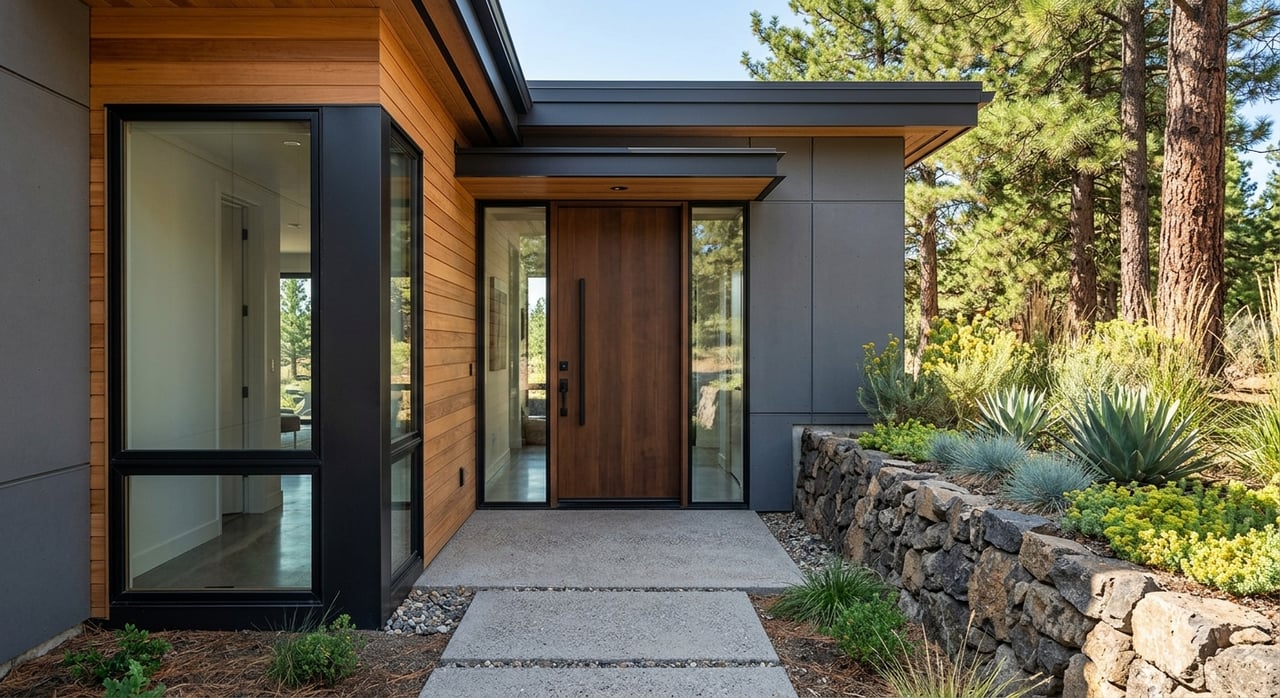
Redmond vs Bend for Homebuyers: Which City Fits Best?
May 14, 2026
May 14, 2026
Trying to choose between Redmond and Bend? You are not alone. Many Central Oregon buyers end up weighing the same three things: how far your budget will go, what your daily drive will look like, and which city feels more like home. The good news is that both markets offer strong reasons to look closer, and the right fit often comes down to your priorities. Let’s dive in.
If value is your first filter, Redmond usually gets your attention faster. As of March 2026, Redmond’s median sale price was $470,000, compared with $681,500 in Bend. That is a difference of $211,500, which is a meaningful gap for buyers comparing monthly payments, down payment needs, and how much home they can realistically afford.
Price per square foot tells a similar story. Redmond came in at $331 per square foot, while Bend was at $381 per square foot in March 2026. In simple terms, Bend still carries a clear premium.
A broader Census snapshot supports that pattern. The median value of owner-occupied housing units is $718,400 in Bend versus $435,000 in Redmond. That is not the same as resale pricing, but it does reinforce the same takeaway: Bend is the more expensive market overall.
For many buyers, this is where the decision starts to sharpen. If your goal is a lower entry point, Redmond may give you more flexibility. If you are comfortable paying more for Bend’s larger amenity base and established premium market profile, the higher price may feel worth it.
The difference is not just about numbers on paper. A lower purchase price can affect your full buying strategy, including:
If you are a first-time buyer, a relocation buyer, or an investor looking at Central Oregon carefully, Redmond’s lower entry point may open doors that feel tighter in Bend.
One of the biggest practical differences between these two cities is how they are growing. Bend’s long-range planning is focused on managing growth inside its urban growth boundary. The city has said it needs 17,234 new housing units by 2028, with an emphasis on infill housing and adding more homes within already developed areas.
That planning approach matters because it shapes what buyers tend to see on the ground. In Bend, you are more likely to encounter redevelopment, middle-housing projects, and neighborhoods with a tighter urban feel. In many cases, growth looks more like adding within the city than pushing far outward.
Redmond’s planning posture is different. The city’s Southwest Area Plan and Public Facilities Plan point to more buildout capacity through 2030, including transportation, water, wastewater, and parks. That suggests more runway for edge-of-city growth and more opportunities tied to expanding infrastructure.
Redmond has also made visible civic investments. The city reports downtown upgrades since 1995 that include streetscape improvements, utility work, a city center park, and more than 100 façade improvements. The Eastside Arterial Project is also intended to improve access to east Highway 126, relieve congestion, and increase traffic safety.
This difference in planning can influence what kind of property feels easiest to find.
Redmond may appeal more if you want:
Bend may appeal more if you want:
Neither city offers just one type of housing, of course. But their planning documents point to different development patterns, and that can shape the type of inventory you are more likely to see.
Commute is where your day-to-day lifestyle can look very different, even though the two cities are close. Census QuickFacts show average travel time to work at 16.3 minutes in Bend and 21.4 minutes in Redmond. That does not predict your exact drive, but it does suggest Bend usually has the shorter average commute.
If you live in Redmond and work in Bend, the city-to-city connection matters. Route estimates place the drive at about 16.9 to 18 miles, or roughly 21 minutes in normal conditions. That is close enough for many people to make it work, but far enough that the corridor becomes part of your weekly routine.
Safety and reliability on that route also matter. ODOT has identified increasing serious injury and fatal crashes on US-97 between Bend and Redmond, and current work includes installing a center median barrier with turn-around options. For buyers thinking beyond simple mileage, that is an important part of the conversation.
If you travel often, Redmond gains a clear advantage. The City of Bend notes that the closest commercial airport is Roberts Field in Redmond, about 20 minutes north of Bend. Roberts Field describes itself as a commercial-service airport with five airlines and about 30 daily flights.
For frequent flyers, second-home owners, or relocation buyers who expect to be in and out of town, proximity to the airport can have a real impact on convenience. In that category, Redmond stands out.
Price and commute matter, but lifestyle is often what seals the decision. The two cities feel different in scale, rhythm, and day-to-day experience.
The Census estimates Bend’s 2024 population at 106,926, compared with 37,626 in Redmond. That size gap helps explain why Bend often feels more layered and amenity-rich, while Redmond can feel more compact and community-centered.
Bend describes itself as a small city or big town with restaurants, amenities, and surrounding public lands. Redmond’s official downtown messaging highlights revitalization, civic investment, and a compact core. Those descriptions align with what many buyers are trying to sort through: do you want a broader menu of amenities, or a smaller-scale feel with room to grow?
For buyers comparing school options, the difference is more about scale and structure than a simple better-or-worse answer. Redmond School District says it serves more than 7,200 students across 13 schools and offers a dual-language program.
Bend-La Pine Schools says it includes 33 schools and two charter schools, along with magnet, dual-immersion, and choice-option pathways. The district also notes that choice enrollment is lottery-based and transportation for choice schools is limited. So while Bend offers a broader menu of pathways, there may also be more process involved.
Many buyers want to know which city is the smarter long-term play. The most honest answer is that Redmond and Bend offer different types of value, not a guaranteed winner.
Bend has the higher current price base and a more established premium-market profile. That can support long-term value in established areas, especially for buyers who want a market with a more mature identity.
Redmond has a lower entry price, visible infrastructure investment, and more development runway in city planning documents. That may create room for catch-up appreciation if demand continues, especially for buyers who value getting in at a lower basis.
Recent Redfin data also show a short-term contrast. Redmond’s median price per square foot was up 5.1% year over year, while Bend’s was down 7.4% year over year. That is useful context, but it is still just a short-term market signal, not a forecast.
If you are deciding between the two, this quick summary can help:
| Priority | City to Compare First |
|---|---|
| Lower entry price | Redmond |
| More new-build potential | Redmond |
| Easier airport access | Redmond |
| Larger amenity base | Bend |
| More school-choice pathways | Bend |
| More established premium market | Bend |
| Shorter average commute | Bend |
The right answer depends on how you rank those priorities. For some buyers, a lower price and airport convenience make Redmond the obvious first stop. For others, Bend’s amenities, housing mix, and overall market position justify the premium.
If your budget is the main driver, Redmond deserves a serious look. It offers a lower entry point, growth-oriented infrastructure planning, and practical access to Roberts Field. That combination can be especially compelling if you want to stretch your dollars or focus on newer areas.
If your priority is lifestyle variety, a broader amenity base, and a more established premium market, Bend may be the better fit. You may pay more, but you may also find that the daily experience lines up more closely with what you want from Central Oregon living.
In the end, this is less about picking a universally better city and more about matching the market to your life. If you want help comparing neighborhoods, home styles, commute patterns, or resale positioning across Central Oregon, The Vandenborn Group can help you sort through the details and make a confident move.

We pride ourselves in providing personalized solutions that bring our clients closer to their dream properties and enhance their long-term wealth. Contact us today to find out how we can be of assistance to you!